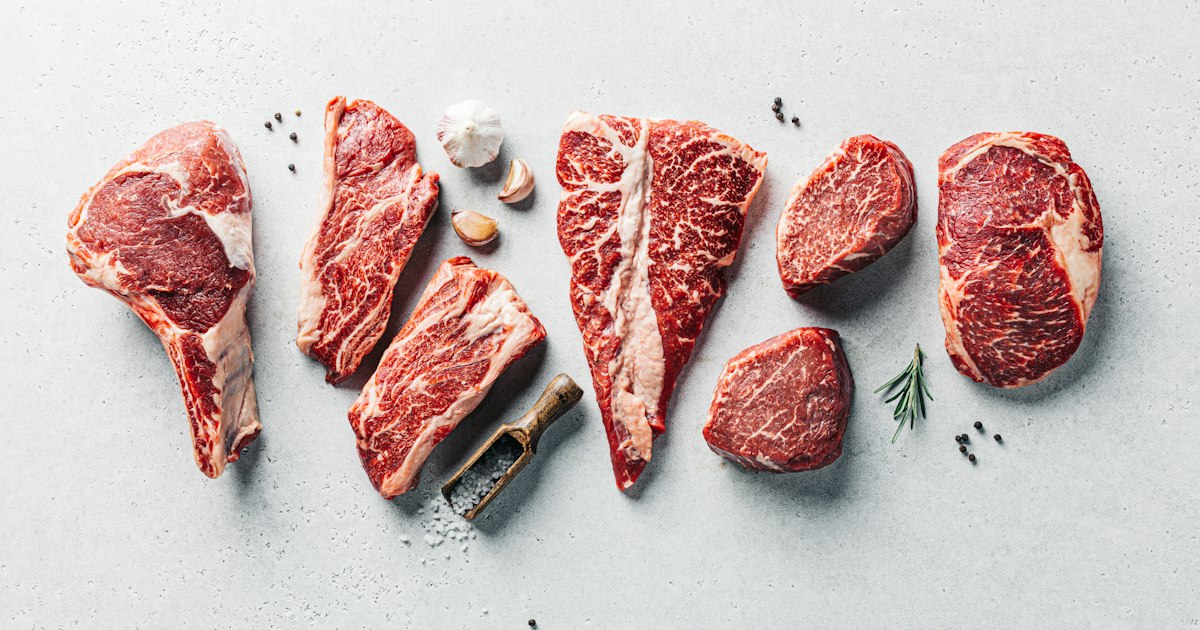
EAA (Essential Amino Acids) on a Bulk: Is It Worth It
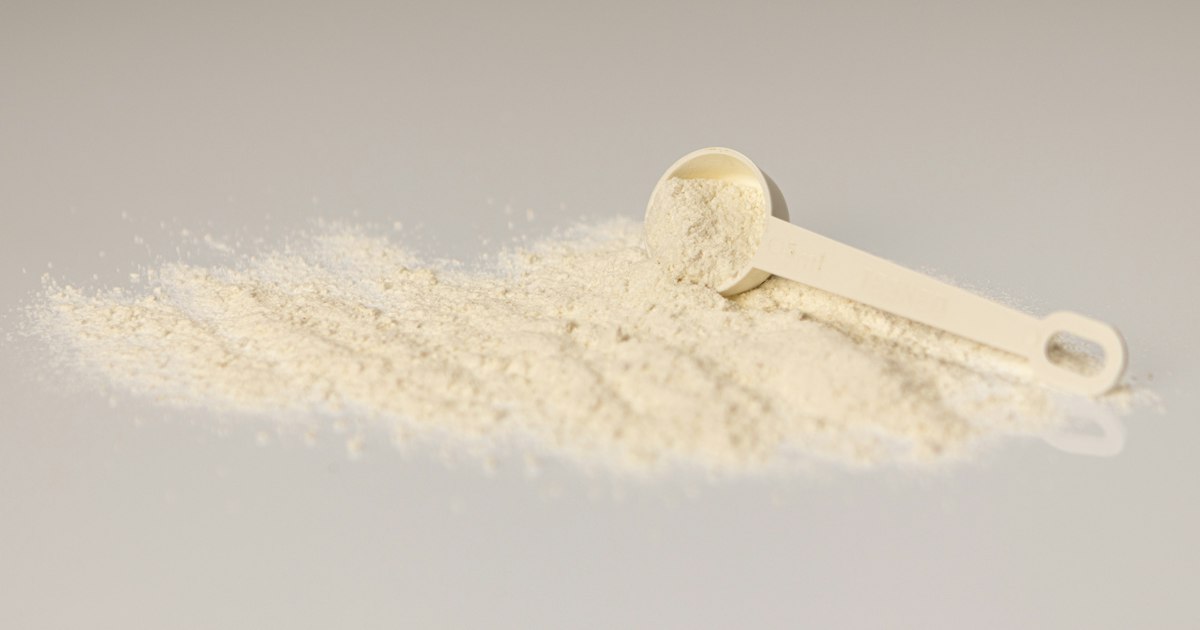
On a bulk, calories and food are usually plentiful, so a logical question arises: why buy essential amino acids separately if there is already plenty of protein in the diet? Our editorial team breaks down what EAA actually add to a muscle-gain program, how they differ from protein and BCAA, and when spending on them is justified.
How muscle mass is built: the role of essential amino acids
Muscle mass grows when total muscle protein synthesis over weeks and months exceeds its breakdown. Strength training increases the sensitivity of muscles to amino acids, and protein intake provides both the signal for synthesis and the material for it. The combination of these two stimuli is the basis of any bulk.
Classic work by Robert Wolfe’s group showed that it is precisely the essential amino acids that are responsible for stimulating muscle protein synthesis. Tipton et al. (1999) and Borsheim et al. (2002) demonstrated that oral EAA after strength training shift muscle protein balance into positive territory, and non-essential amino acids are not required for this effect.
Among the EAA, leucine plays a special role: it activates the mTORC1 complex, which «switches on» protein translation in the muscle cell. However, leucine without the other essential amino acids is only a signal without material. For sustained synthesis a full set is needed.
So from a physiological standpoint EAA are the «essence» of any protein product for muscles. The question is not whether EAA are needed for growth (they definitely are), but whether it makes sense to get them separately rather than from food and protein.
EAA versus protein: what the data say
Quality dietary protein — eggs, meat, fish, dairy, whey protein — already contains all nine essential amino acids. Whey protein has a high EAA content, and about 20–25 g of whey protein provides an amount of leucine sufficient for maximum stimulation of muscle protein synthesis in young people.
A meta-analysis by Morton and colleagues (2018) showed that protein supplements alongside strength training increase gains in lean mass and strength, with the benefit rising up to a total intake of about 1.6 g/kg per day, after which it plateaus. On a bulk most people who watch their nutrition reach this limit.
| Criterion | Whey protein | EAA |
|---|---|---|
| Essential amino acids | All 9, within the protein | All 9, in free form |
| Non-essential amino acids | Present | Absent |
| Absorption rate | Fast | Very fast |
| Calories per serving | Higher | Lower |
| Price per gram of EAA | Usually lower | Usually higher |
| Satiety | Moderate | Minimal |
The advantages of EAA are fast absorption and fewer calories per unit of «anabolic signal». But on a bulk calories are not a problem, they are the goal. So the main advantage of EAA for this phase loses weight, and the price per gram of essential amino acids in them is usually higher than in protein.
There are no direct long-term studies showing that EAA produce greater mass gains than an equivalent amount of quality protein, at the time this material was prepared. Most of the data in favor of EAA come from acute measurements of protein synthesis over a few hours.

EAA versus BCAA on a bulk
If the choice is between EAA and BCAA, the arguments are unequivocally on the side of EAA. BCAA contain only three amino acids — leucine, isoleucine, and valine. They send a signal for synthesis but do not provide the rest of the essential «building blocks».
A review by Wolfe (2017) explains: after taking BCAA, muscle protein synthesis may rise briefly only at the expense of amino acids released from the breakdown of the body’s own proteins. A sustained anabolic effect cannot be achieved without the full set of EAA.
So if a person is already buying amino acids for a bulk, it is more rational to choose EAA rather than BCAA: for a similar price they get the full set of essential amino acids, not just three of them.
That said, both options lose to ordinary protein in the ratio of price to the amount of essential amino acids. Amino acid supplements on a bulk are a matter of convenience, not effectiveness.
When EAA on a bulk are justified
Despite what has been said, there are situations in which EAA on a bulk make practical sense. Most often they are related not to physiology but to daily life, appetite, or dietary particulars.
- Poor appetite and a «full stomach».For people who find it hard to eat a large volume of food, EAA provide an anabolic signal without a feeling of heaviness.
- Dairy intolerance.If whey protein causes discomfort, EAA can be an alternative.
- A plant-based diet.Plant proteins often have a lower content of leucine and lysine; EAA help even out the profile.
- Training during long sessions.An EAA drink during a two-hour workout is more convenient than a protein shake.
Another scenario is a strategic increase in the leucine content of a meal that is low in protein. For example, if breakfast is predominantly carbohydrate, a serving of EAA can «complete» it into a full anabolic meal.
In all other cases — when a person eats 4–5 times a day, gets 1.6–2.2 g of protein per kilogram of body weight, and has no digestive problems — the additional effect of EAA on a bulk will most likely be minimal.
For comparison: creatine monohydrate, per the ISSN recommendations (Kerksick et al., 2018), has a far more convincing evidence base for increasing strength and lean mass. If the budget is limited, priority should go to it.
Price, serving, and a rational approach
Before buying EAA it is useful to calculate the price per gram of essential amino acids and compare it with protein. To do this you need to know how many EAA a serving of protein contains (quality manufacturers list this in the amino acid profile) and how much the same amount costs in EAA form.
In studies of muscle protein synthesis, effective single servings of EAA were roughly 6–15 g with a sufficient leucine content. For an ordinary supplement on a bulk it is sensible to stay within this range, taking EAA between main meals or around training.
The distribution of protein throughout the day is more important than the «anabolic window». 3–5 protein intakes of 0.3–0.4 g/kg each provide several peaks of muscle protein synthesis over the day. EAA can be one of these intakes, but not a replacement for all of them.
Finally, it is worth remembering the basic conditions for a bulk: a calorie surplus, progressive strength training, and adequate sleep. Without them no amino acid supplement will turn into kilograms of muscle.
Editorial conclusions
EAA are a physiologically sound supplement: it is precisely the essential amino acids that trigger and sustain muscle protein synthesis. But on a bulk, when food and protein are plentiful, the advantage of EAA over protein and ordinary foods is small.
Compared with BCAA, EAA are unequivocally the better choice, because they contain the full set of essential amino acids. Compared with protein, they are usually a more expensive way to get the same amino acids.
EAA on a bulk are justified with poor appetite, dairy intolerance, a plant-based diet, and long workouts. In other cases the priority is calories, total protein, and creatine.
We also recommend reading «EAA (Essential Amino Acids) on a Cut: Does It Help», «Glutamine on a Bulk: Is It Worth It», and «How to Choose a Quality EAA (Essential Amino Acids): What to Look for on the Label».
References
- Tipton KD, Ferrando AA, Phillips SM, Doyle D Jr, Wolfe RR. Postexercise net protein synthesis in human muscle from orally administered amino acids. Am J Physiol. 1999;276(4):E628–E634.
- Borsheim E, Tipton KD, Wolf SE, Wolfe RR. Essential amino acids and muscle protein recovery from resistance exercise. Am J Physiol Endocrinol Metab. 2002;283(4):E648–E657.
- Wolfe RR. Branched-chain amino acids and muscle protein synthesis in humans: myth or reality? J Int Soc Sports Nutr. 2017;14:30.
- Morton RW, Murphy KT, McKellar SR, et al. A systematic review, meta-analysis and meta-regression of the effect of protein supplementation on resistance training-induced gains in muscle mass and strength in healthy adults. Br J Sports Med. 2018;52(6):376–384.
- Jäger R, Kerksick CM, Campbell BI, et al. International Society of Sports Nutrition position stand: protein and exercise. J Int Soc Sports Nutr. 2017;14:20.
- Kerksick CM, Wilborn CD, Roberts MD, et al. ISSN exercise & sports nutrition review update: research & recommendations. J Int Soc Sports Nutr. 2018;15(1):38.
- Church DD, Hirsch KR, Park S, et al. Essential amino acids and protein synthesis: insights into maximizing the muscle and whole-body response to feeding. Nutrients. 2020;12(12):3717.
Andriy Melnyk
A strength-sports coach and author of programs for beginner and intermediate levels. Writes about training planning.